CAPE FOOD — VISITORS
South African Dishes to Try in Cape Town — and Where They Come From
Cape Town's food is the meeting of four kitchens: the Bo-Kaap's spice, the braai fire, two cold oceans and the plants of the Cape Floral Kingdom. Here are the dishes worth trying on a visit, what each one is, when it is in season, and how to eat them properly at your villa or home.
If you only try a handful: bobotie with geelrys, tomato bredie, koesisters, snoek braaied under an apricot glaze, boerewors and lamb chops from a wood braai, braai broodjies, and malva pudding or milk tart for dessert. Add a rooibos or buchu note from the fynbos pantry and you have eaten the Cape. from R1 200 pp per person · Min 4 guests.
The short answer
If you only try a handful: bobotie with geelrys, tomato bredie, koesisters, snoek braaied under an apricot glaze, boerewors and lamb chops from a wood braai, braai broodjies, and malva pudding or milk tart for dessert. Add a rooibos or buchu note from the fynbos pantry and you have eaten the Cape.
Our food experiences in Cape Town are built around exactly these traditions, cooked by a private chef where you are staying: the gourmet braai from R650 per person, the Cape Malay heritage dinner from R1,200 per person, the Cape seafood journey from R1,350 per person and the fynbos tasting menu from R1,600 per person, each with a published minimum.
From the Bo-Kaap kitchen
Cape Malay cooking is South Africa's oldest cuisine: aromatic, mildly spiced and sweet-savoury, with fruit cooked alongside meat and cinnamon and cardamom in the savoury courses.
Included
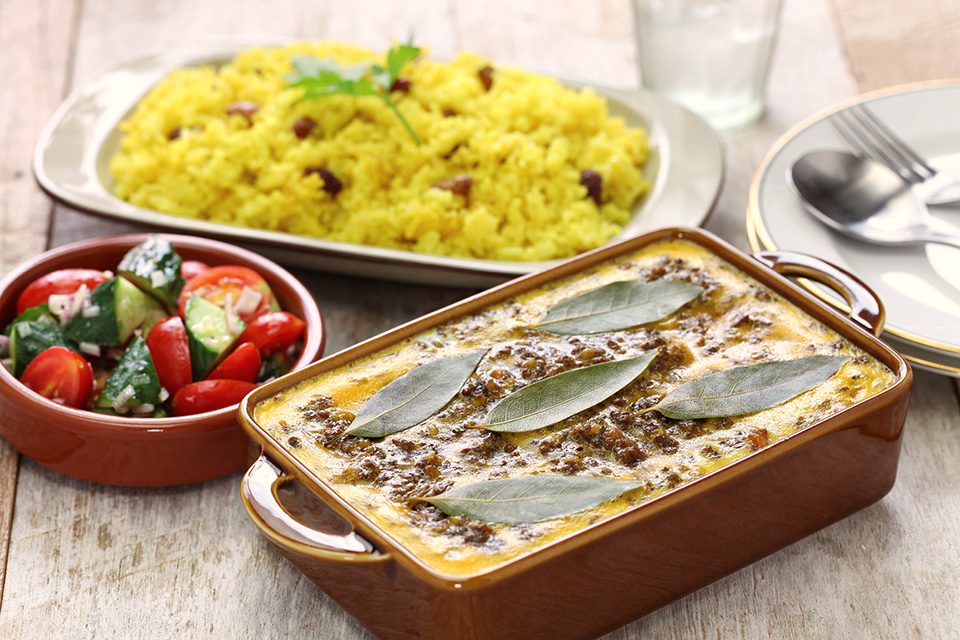
- Bobotie: spiced mince baked under an egg custard with dried fruit, served with geelrys, the yellow turmeric rice, and sambals.
- Tomato bredie: lamb on the bone, slow-cooked with whole cinnamon, clove and cardamom.
- Denningvleis: tamarind-laced lamb, sweet and sour, a Bo-Kaap signature.
Quoted separately
- Daltjies and samoosas: chilli bites and crisp parcels with coriander, cumin and green chilli.
- Koesisters: spiced syrup doughnuts rolled in coconut, eaten on Sunday mornings.
Koesister or koeksister?
Visitors mix these up, and in the Bo-Kaap the difference matters. The koesister is the Cape Malay one: spiced, soft, syrup-glazed and coconut-dusted. The koeksister is the plaited Afrikaans version, crisp and syrup-soaked. Try both, but know which one you are being offered.
For the history behind the dishes and the Bo-Kaap kitchens worth respecting, read our Cape Malay food guide. Bredies are winter food at heart; bobotie, denningvleis and koesisters run all year.
From the fire
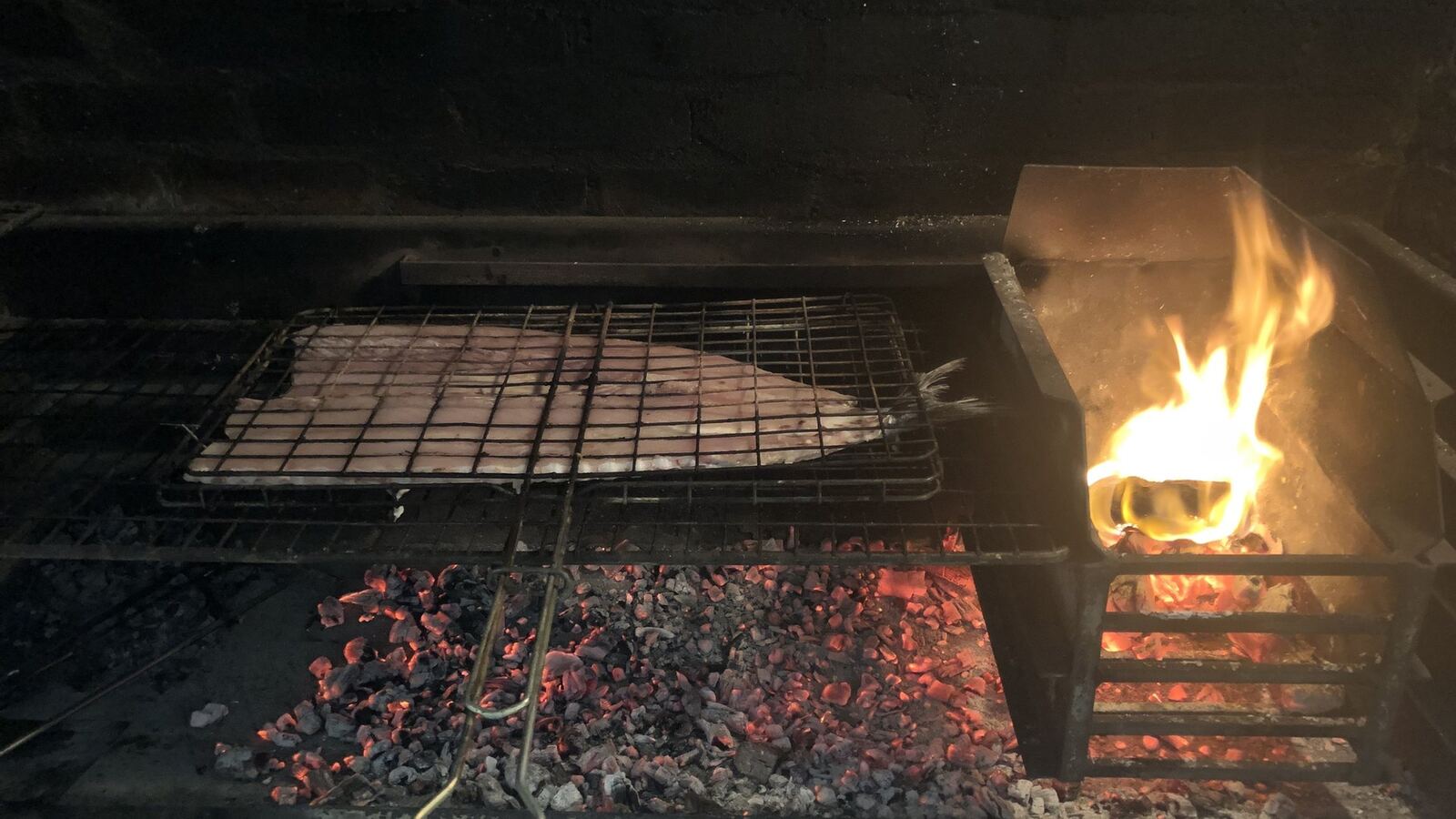
The braai is not a barbecue, and it is the dish most visitors remember. On the grid: lamb chops with rendered fat and proper char, boerewors spiced with coriander and clove, chicken or linefish, and braai broodjies, cheese, tomato and onion sealed in toasted bread, passed around while the coals settle. Our gourmet braai is cooked over wood only.
If you want the full story, our guide to what a braai is explains the etiquette and the vocabulary. For a big group, the spit braai is the party version, from R450 per person for 20–49 guests.
From the sea and the veld
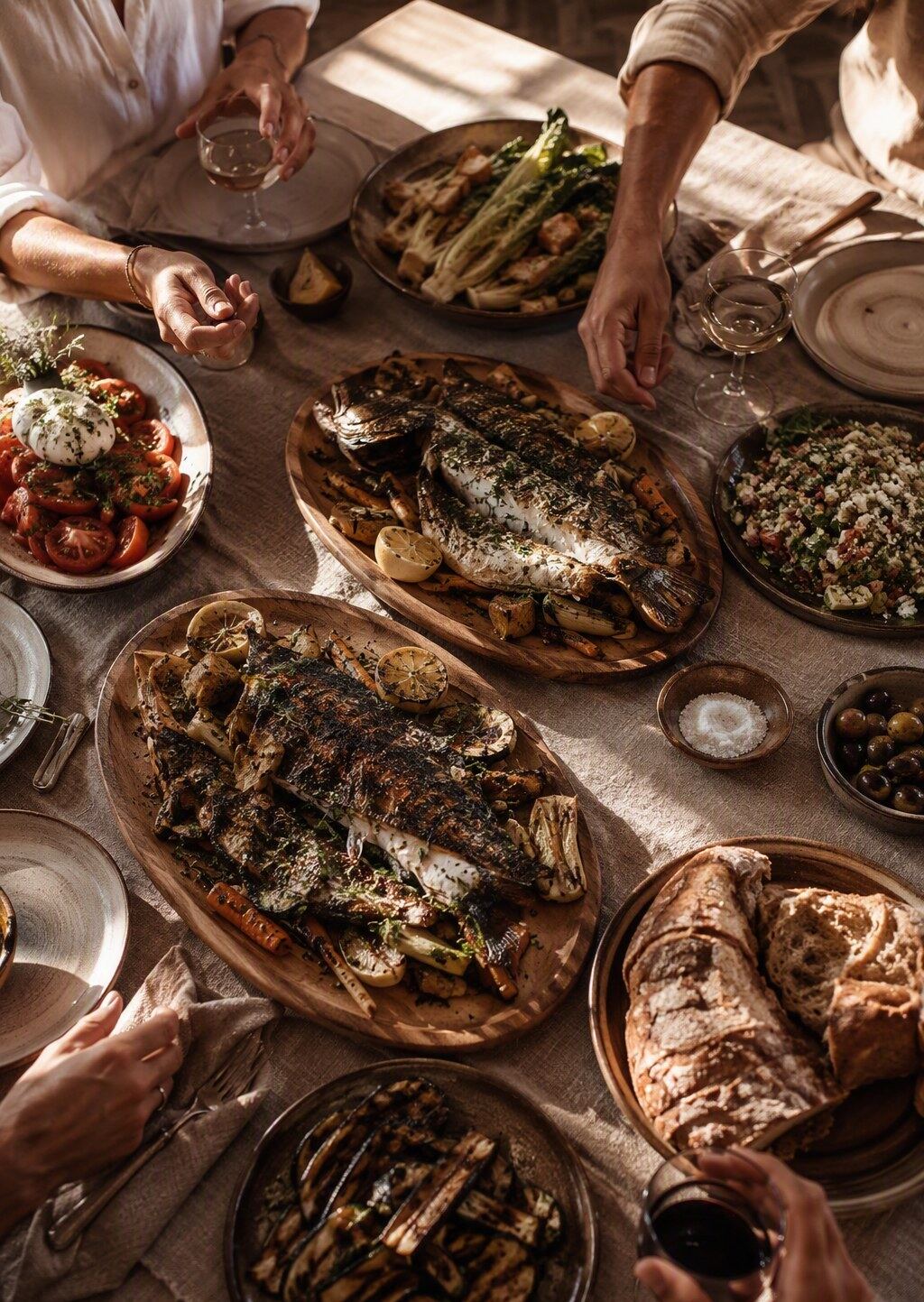
Snoek is the traditional Cape working fish. It runs inshore from November to April, with a winter run from May, and is classically braaied under an apricot-jam glaze. Yellowtail, Cape salmon, red roman and hottentot fill the calendar around it. Kreef, West Coast rock lobster, is the strict one: we serve it only in the licensed, gazetted season and only from licensed commercial suppliers.
The fynbos pantry is the most local flavour of all: rooibos and honeybush, buchu with its blackcurrant edge, wild rosemary and waterblommetjies, the Cape water flower that peaks in September and goes into a bredie. These appear across the seven courses of our fynbos tasting menu.
What is in season when
The Cape calendar runs the menus. Plan your must-try list around your travel dates.
- 01November to April: inshore snoek, the Kirstenbosch summer concerts and picnic season.
- 02December to February: stone fruit, figs and heirloom tomatoes.
- 03May: the winter snoek run begins.
- 04Winter months: tomato bredie and slow braises by the fire.
- 05September: waterblommetjies at their peak.
- 06All year: the braai, bobotie, denningvleis, koesisters, malva pudding and milk tart.
How to eat them at your villa
Each experience is cooked by a private chef in your villa or home anywhere in Cape Town and the Winelands. Travel is included in Zone 1, Zone 2 is R300–500 per day and Zone 3 R500–800 per day. Vegetarian, vegan, gluten-free and allergy-aware versions are planned at the consult, and the Cape Malay dinner is prepared halaal-friendly with strict protocols; we say halaal-friendly, never certified.
Villa-week guests often combine two: a braai early in the stay and a tasting menu for the finale. Send your dates, the number of guests and the area on WhatsApp and we reply within the hour, 08:00–20:00 SAST, with the experiences that suit your trip.
Questions, answered.
We update this guide annually — figures re-verified November 2026.
Related guides & services
Get an exact quote.
We handle everything else — menu, shopping, cooking, service, cleanup. Guaranteed.
Replacement-or-refund · Fixed itemised quote · Published cancellation tiers